
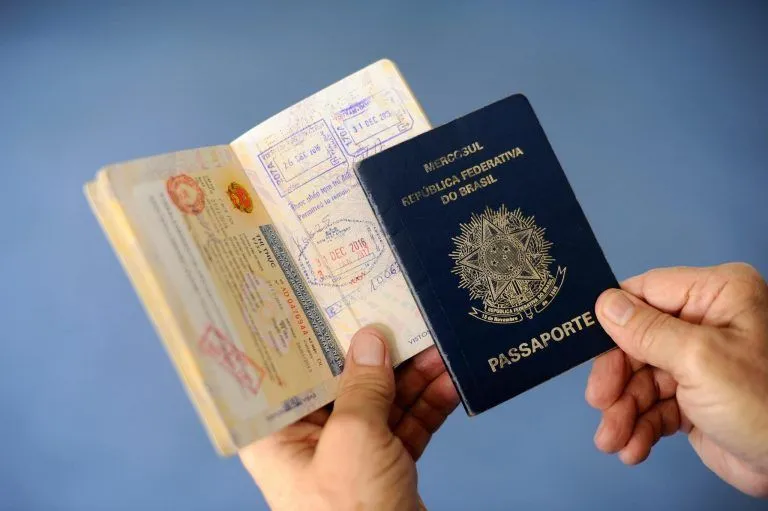
In recent years, we have observed a significant shift in how U.S. consulates have conducted visa application processes. During the post-pandemic period, it was relatively common for applicants to seek interviews at consulates outside their country of residence, especially due to prolonged embassy closures and variations in wait times between consular posts.
However, this flexibility is no longer the rule. Currently, the U.S. State Department and American consulates have reinforced a clear guideline:
The applicant must apply in the country of their nationality or where they have legal residence.
This guideline has been applied with increasing rigor, and the practice of scheduling interviews outside the country of residence (previously tolerated with justification) has become, in most cases, restricted and subject to rejection.
Requirements and rationale for the rule:
The rationale for this guideline is directly related to the analysis of temporary intent, as provided for in the Immigration and Nationality Act – INA 214(b). The consular officer must assess whether the applicant has strong ties to the country where they reside, an essential element in determining whether their stay in the United States will be temporary.
Therefore, when applying from outside their country of residence, applicants must be prepared to demonstrate significant ties to the country where they are applying, as well as document their legal residency (for example, through a study visa, work visa, residence permit, or other equivalent document).
Without these elements, the consulate may determine that there is insufficient legal basis to process the request, resulting in refusal to process or award the request.
Financial Implications:
It is important to note that consular fees (MRV) are fixed and non-refundable, regardless of the outcome of the application. Therefore, if the consulate refuses to process the application due to lack of legal residence, the applicant will not be entitled to a refund of the fees paid.
Recommendations
Based on current State Department guidelines and practical experience in consular processes, we recommend:
Avoid scheduling appointments at consulates of third countries without documentation proving residency and local ties.
Please check the specific policies of each consulate before paying the MRV fee.
Plan the process in advance, taking into account interview deadlines and any regional variations.
At You Abroad USA, we continuously monitor updates issued by the Department of State and consular offices, ensuring that our clients receive accurate, reliable guidance aligned with current regulations: an essential step in conducting successful immigration processes.